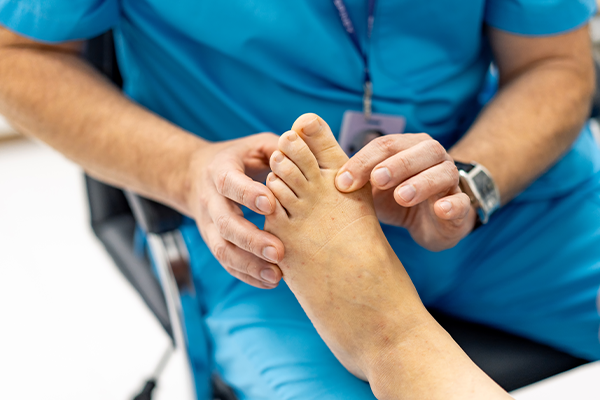
Non-Surgical Treatments for Bunions and Toe Deformities
Understanding Bunions and Toe Deformities
Bunions and toe deformities are common foot conditions that can lead to significant discomfort and mobility issues. At the Foot, Ankle & Leg Center located in Scottsdale, AZ, we focus on providing comprehensive care tailored to the specific needs of each patient. This blog post aims to explore the non-surgical treatment options available for bunions and toe deformities, ensuring that you have the information needed to make informed decisions about your health.
What Causes Bunions and Toe Deformities?
Bunions, or hallux valgus, occur when the big toe deviates toward the second toe, causing a bony bump at the base of the big toe. Several factors can contribute to bunions and other toe deformities, including:
- Genetics: A family history of bunions may increase your risk.
- Footwear: Narrow or ill-fitting shoes can exacerbate toe deformities.
- Arthritis: Conditions such as rheumatoid arthritis can lead to deformities in the toes.
- Flat Feet: Abnormal foot mechanics can contribute to the formation of bunions.
Non-Surgical Treatments for Bunions
If you're seeking non-surgical treatment options for bunions, the following methods may provide relief:
1. Footwear Modifications
Choosing the right shoes is crucial in managing bunions. Look for:
- Wide-toed shoes to accommodate the bunion.
- Shoes with arch support.
- Soft, flexible materials that don't irritate the bunion.
2. Orthotic Devices
Custom orthotic devices can help redistribute weight away from the affected area. Your podiatrist may recommend:
- Arch supports.
- Cushioning pads placed over the bunion.
- Toe spacers to help realign the toes.
3. Physical Therapy
Physical therapy can strengthen foot muscles and improve flexibility. Techniques may include:
- Stretching exercises for the toes and feet.
- Strengthening exercises for the arch and ankle.
- Gait analysis to improve walking mechanics.
4. Ice and Anti-Inflammatory Medications
Applying ice to the bunion can help reduce swelling and relieve pain. Additionally, non-steroidal anti-inflammatory drugs (NSAIDs), such as ibuprofen, may be recommended by your physician to alleviate discomfort.
5. Padding and Taping
Using bunion pads or special tape techniques can help cushion the area and protect it from friction and pressure. This can be particularly beneficial during physical activities.
How Can I Treat Toe Deformities?
Similar to bunions, toe deformities may benefit from a variety of non-surgical treatments. Here are some effective strategies:
1. Improved Footwear
Just as with bunions, ensuring you wear shoes that provide ample space and support can greatly minimize discomfort from other toe deformities, such as hammertoes or claw toes.
2. Stretching and Strengthening Exercises
Engaging in targeted exercises can enhance the flexibility of the toes and strengthen surrounding muscles. Examples include:
- Toe curls.
- Marble pickups with toes.
- Stretching your toes against resistance.
3. Night Splints
For conditions like hammertoe, wearing a night splint can help realign the toe and provide relief from pain during the day.
When Should I Consider Surgery?
Non-surgical options are effective for many patients, but if pain persists or daily activities are significantly affected, surgical intervention may be considered. A consultation with a podiatrist will provide you with a thorough evaluation and discuss potential surgical options if necessary.
Frequently Asked Questions (FAQs)
- What is the best type of shoe for bunions? Shoes with a wide toe box, good arch support, and soft materials are recommended.
- Can bunions come back after surgery? While surgery can correct bunions, it is essential to follow post-operative care instructions to minimize recurrence.
- Do I need a referral to see a podiatrist? In most cases, you do not need a referral, but check with your insurance provider for specifics.
- Is it possible to prevent bunions? While not all bunions can be prevented, wearing appropriate footwear and managing foot conditions can reduce the risk.
- How long does non-surgical treatment take to show results? Improvement may take several weeks, depending on the severity of the condition and adherence to treatment
Conclusion
At the Foot, Ankle & Leg Center in Scottsdale, AZ, we are dedicated to providing effective treatment options for bunions and toe deformities. Understanding non-surgical methods can empower you to manage your condition successfully and improve your quality of life. If you have concerns about your foot health, please don't hesitate to book an appointment with our experienced team today.