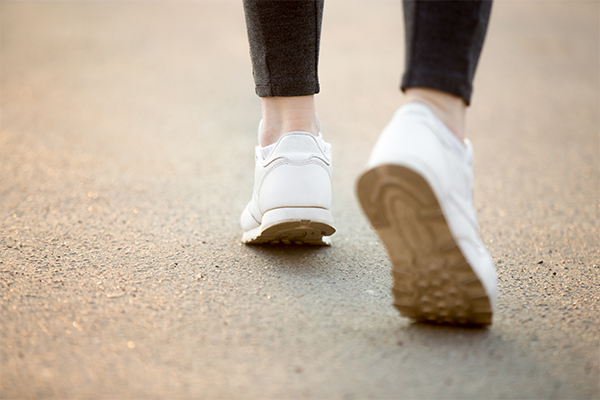
How Runners Can Prevent Foot and Heel Injuries
Introduction
At the Foot, Ankle & Leg Center in Scottsdale, AZ, we understand that running is a passion for many individuals, and it plays an essential role in maintaining physical health. However, foot and heel injuries can often sideline runners, leading to discomfort and decreased performance. This article aims to equip you with knowledge and practical strategies to prevent these injuries.
What Causes Foot and Heel Injuries in Runners?
Foot and heel injuries can be attributed to a variety of factors, including:
- Improper Footwear: Wearing shoes that do not provide adequate support or cushioning can lead to injuries such as plantar fasciitis and Achilles tendinitis.
- Overuse: Increasing running mileage or intensity too quickly can strain muscles and tendons, resulting in conditions like metatarsalgia or stress fractures.
- Biomechanical Issues: Flat feet, high arches, and other anatomical irregularities can alter the way force is distributed on the foot, increasing injury risk.
- Poor Running Form: An inefficient running technique can place excess stress on certain parts of the foot and lead to injuries.
How Can Runners Prevent Injuries?
Preventing foot and heel injuries is essential for sustaining a successful running routine. Here are effective strategies to consider:
1. Choose the Right Footwear
Select footwear that is specifically designed for running, taking into account your foot type and running style. Visit a local specialist to get assessed for gait and arch type, ensuring your shoes offer the necessary support and cushioning.
2. Follow a Gradual Training Plan
Implement a progressive training schedule that increases your running distance and intensity gradually. The 10% rule—limiting mileage increases to no more than 10% per week—can be an effective guideline.
3. Strengthen Foot Muscles
Engage in exercises that strengthen the intrinsic muscles of the foot and ankle. Consider incorporating the following into your routine:
- Toe raises
- Heel drops
- Foot doming exercises
4. Maintain Flexibility
Regular stretching of the calf muscles and Achilles tendon is crucial in preventing injuries. Target areas such as:
- Calf muscles
- Plantar fascia
- Achilles tendon
5. Cross-Train Wisely
Incorporate low-impact activities such as swimming or cycling to maintain cardiovascular fitness without adding stress to your feet. This approach can assist in muscle recovery while still allowing for aerobic conditioning.
6. Listen to Your Body
Pay attention to pain signals. Early intervention can prevent chronic injuries. If you experience persistent foot or heel pain, ceasing running and consulting a medical professional is advisable.
How Can I Treat Foot and Heel Injuries?
If you do experience a foot or heel injury, here are some initial treatment options:
- Rest: Allow time for healing by avoiding running and high-impact activities.
- Icing: Apply ice to reduce inflammation for 15-20 minutes several times a day.
- Compression: Use compression wraps to help manage swelling.
- Elevation: Elevate the injured foot to reduce swelling.
Consulting with a podiatrist may also be necessary to explore further treatment options, including custom orthotics and physical therapy.
What Common Foot Conditions Should Runners Be Aware Of?
Awareness of specific conditions can help in early detection and treatment:
- Plantar Fasciitis: Inflammation of the plantar fascia causing heel pain.
- Achilles Tendinitis: Inflammation of the Achilles tendon leading to pain along the back of the heel.
- Metatarsalgia: Pain in the ball of the foot due to overuse or improper footwear.
- Stress Fractures: Small cracks in bones caused by repetitive force or overuse.
Frequently Asked Questions (FAQ)
- What should I look for in running shoes? Look for shoes that accommodate your foot type, provide cushioning, and offer adequate arch support.
- How often should I replace my running shoes? Generally, running shoes should be replaced every 300-500 miles or when you notice a decrease in performance or comfort.
- Can orthotics help prevent injuries? Yes, custom orthotics can improve alignment and provide support, helping prevent conditions such as plantar fasciitis.
- What are the signs of an injury? Watch for persistent pain, swelling, changes in running form, or difficulty bearing weight on your foot.
- When should I see a podiatrist? If pain persists for more than a week, worsens with activity, or significantly affects your mobility, it’s time to consult a podiatrist.
Conclusion
Preventing foot and heel injuries is crucial for runners who want to maintain an active and pain-free lifestyle. The Foot, Ankle & Leg Center in Scottsdale, AZ, is dedicated to providing expert advice and treatment plans tailored to your needs. Prioritize your foot health to ensure you can continue enjoying your passion for running. To schedule an appointment, please click here.